The monarch butterfly, Danaus plexippus, is a native butterfly species found in Illinois and North America. It is very important to the prairie ecosystem, as it has an interdependent relationship with the milkweed family, Asclepias. Monarchs are an interesting species as they complete an annual migration from all over North America to Mexico and California. These butterflies begin their 3,000-mile long mass migration as the fall season and colder weather begins. What is incredibly interesting, is that no one butterfly completes the entire migration. As the summer stretches, the monarchs have multiple generations that die out and are born allowing the species to migrate south slowly over the course of the summer. This great natural spectacle is in great danger because monarchs as a species, and the eastern population especially, are in a rapid decline. Many environmental scientists and conservationists are worried that monarchs may soon become extinct. The main reason for this decline is due to the monarchs reproduction cycle. Monarchs are a specialist species that can only reproduce with the help of the Milkweed family, Asclepias. As the great plains have been converted to agricultural land and other human developments, the hundreds of native prairie species, especially the prairie plants disappeared as well. As their diverse habitats disappeared, including their host and feed plants, and were replaced with mono-agricultural row crops, the monarchs had begun their rapid declined. This loss of habitat combined with an increase in pesticides and insecticides have decimated monarch populations. Combing problems in their summer range of North America, with habitat destruction in the forest of northern Mexico and southern California, our monarchs are facing threats all over their natural habitats. If we want to keep these beautiful species around for the enjoyment of many more generations, we need to make some drastic changes. We need to stop using pesticides, insecticides, and most importantly restore monarch habitat. You can help by planting milkweed and native flowering plants at home or by supporting legislation to decrease the widespread use of insecticides. Monarchs are truly beautiful and iconic species of the prairie and it would be detrimental to the prairie ecosystem as a whole if these important pollinators went extinct.
Sources: “Monarch Butterfly.” National Geographic, 21 Sept. 2018, http://www.nationalgeographic.com/animals/invertebrates/m/monarch-butterfly/.
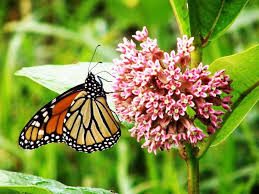
A Monarch Butterfly feeding on Common Milkweed.
Picture provided by: “How Home Gardeners Can Save The Monarch Butterfly ⋆ Big Blog Of Gardening.” Big Blog Of Gardening, 28 May 2018, http://www.bigblogofgardening.com/home-gardeners-can-save-the-monarch-butterfly-with-milkweed/.
A monarch caterpillar feeding on a common milkweed host plant.
Picture provided by: Lindwall, Courtney. “Monarch Butterflies Get a Head Start in the Schoolyard.” NRDC, 12 Mar. 2019, http://www.nrdc.org/stories/monarch-butterflies-get-head-start-schoolyard.

 Conservation Biology